

Volunteers can make assisted living feel more connected, active, and personal. They may spend time with residents, support activities, assist with non-care tasks, or bring skills and interests that enrich daily life.
Volunteers do not replace nurses, aides, activity staff, or other trained professionals. Their role is usually supplemental: helping create companionship, participation, and community while staff remain responsible for health, safety, medication, personal care, and supervision.
What do volunteers do in assisted living communities?
Volunteers often provide social support and practical assistance that improve a resident’s daily experience. Their responsibilities depend on the community’s policies, training requirements, and the volunteer’s age, skills, and availability.
Common volunteer activities include:
- Visiting with residents who enjoy conversation
- Reading aloud, writing letters, or helping with simple technology
- Playing cards, puzzles, board games, or familiar table games
- Supporting music, art, gardening, exercise, or discussion programs
- Helping residents attend group activities
- Assisting with nonmedical craft or recreational projects
- Delivering approved books, seasonal decorations, or activity materials
- Sharing hobbies such as knitting, storytelling, photography, or cooking demonstrations
- Participating in holiday, intergenerational, or community events
Some volunteers work with an entire group, while others spend time with one resident. Both forms of service can be valuable. A group activity may encourage social connection, while one-to-one visits can help residents who are shy, isolated, or less comfortable in busy settings.
Can volunteers provide personal care or medical help?
Usually, volunteers cannot provide clinical care or perform unsupervised personal-care tasks. Medication administration, wound care, transfers, bathing, toileting, feeding assistance, and other hands-on services generally require trained staff and must follow applicable rules and community policies.
A volunteer may escort a resident to an activity, but that does not necessarily mean the person can safely lift, transfer, or physically steady the resident. Similarly, a volunteer may remind someone that an activity is starting but should not handle medications or give medical advice.
Clear boundaries protect both residents and volunteers. Before beginning service, volunteers should understand:
- Which activities are permitted
- When staff must be notified
- What to do if a resident falls, becomes ill, or appears distressed
- Whether photographs, gifts, food, or transportation are restricted
- How privacy and confidentiality are handled
- Which residents require staff accompaniment
If a resident needs physical assistance, has a medical concern, or asks a volunteer to do something outside the volunteer’s role, staff should be involved.
Why is companionship especially valuable?
Regular companionship can reduce loneliness and give residents a reason to look forward to part of the day. A familiar visitor may also notice changes in mood, communication, or participation that deserve staff attention.
The value is not limited to conversation. A volunteer might sit quietly while a resident listens to music, look through family photographs, or help organize a small collection of personal items. These activities can support identity and comfort without requiring a formal program.
For residents adjusting to assisted living, a volunteer can offer an additional welcoming presence. Moving from a private home into a shared community may involve changes in routine, privacy, transportation, and social contact. A consistent volunteer relationship can make the setting feel less unfamiliar.
Volunteers should avoid assuming that every resident wants frequent conversation. Respectful companionship includes allowing silence, accepting “no,” and paying attention to signs of fatigue or discomfort.
How do volunteers support activities and independence?
Volunteers can make activities easier to access without taking control away from residents. For example, a volunteer may set up materials, explain the rules of a game, or help someone find a comfortable seat. The resident still chooses whether and how to participate.
This approach supports independence because assistance is provided only where needed. A person who can complete part of a craft, use a tablet, or participate in a discussion should be encouraged to do so rather than having the task completed for them.
Practical support may include:
- Offering choices instead of making decisions for the resident
- Allowing extra time for responses or movement
- Adjusting activities for hearing, vision, or mobility needs
- Using large-print materials when available
- Reducing background noise during conversation
- Breaking complicated instructions into smaller steps
- Celebrating participation rather than focusing only on the final result
Seasonal conditions can also influence volunteer involvement in Moosic. During periods of snow, ice, heavy rain, or extreme temperatures, indoor visits and activities may be more practical than outdoor events. Volunteers may help residents stay engaged when walking outdoors or receiving visitors becomes less convenient.
What training should volunteers receive?
Training should match the duties volunteers will perform. Even volunteers who only visit socially need basic orientation because assisted living residents may have memory loss, hearing impairment, mobility limitations, or complex health needs.
Training commonly addresses:
- Privacy and respectful communication
- Dementia-aware interaction
- Infection prevention and hand hygiene
- Emergency procedures
- Fall prevention and safe movement around the building
- Boundaries involving gifts, money, food, and personal information
- Cultural, religious, and personal preferences
- Reporting concerns to staff
- Appropriate use of phones and photography
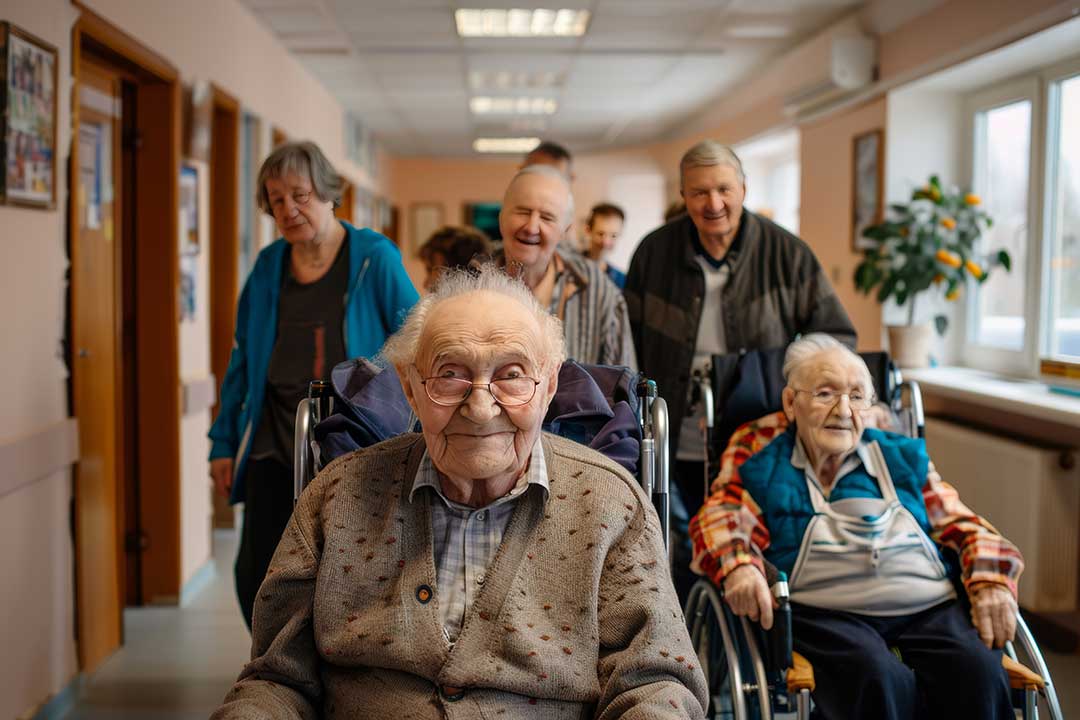
Volunteers should know that confidentiality continues outside the community. Stories about residents, photographs, medical information, and family circumstances should not be shared casually or posted online.
A background check, health screening, immunization documentation, references, or additional instruction may be required, particularly for regular volunteers or those working closely with vulnerable residents. Requirements vary by setting and assignment.
How can families evaluate a volunteer’s role?
Families may reasonably ask how volunteers are supervised and what responsibilities are permitted. A few useful questions include:
- Is there a volunteer coordinator or designated staff contact?
- What training is provided before service begins?
- Are volunteers allowed to assist with meals or mobility?
- How are concerns documented and communicated?
- Are volunteers assigned to specific residents or activities?
- What happens if a volunteer cannot attend a scheduled visit?
- Are residents able to decline a visit or request a different volunteer?
Families should also understand that volunteer contact is not a substitute for family involvement or professional care. A volunteer may notice that a resident seems unusually tired, confused, withdrawn, or unsteady, but staff must assess and respond to the concern.
What makes volunteering respectful and useful?
The most effective volunteers listen first and follow the resident’s preferences. They avoid treating older adults as children, rushing conversations, or assuming that age alone determines interests or abilities.
Useful habits include:
- Addressing residents by their preferred name
- Asking permission before entering personal space
- Speaking directly to the resident rather than only to staff or family
- Avoiding arguments when a resident is confused
- Redirecting gently when conversation becomes upsetting
- Keeping promises about visit times
- Reporting concerns promptly rather than trying to solve them independently
A volunteer does not need a medical background or an elaborate activity plan to contribute. Reliability, patience, appropriate boundaries, and genuine interest are often more helpful than a highly structured visit.
What should residents expect from a volunteer relationship?
Residents can expect volunteers to follow community rules, respect privacy, and stay within their assigned role. They should also be able to decline activities, request staff assistance, or tell someone if an interaction feels uncomfortable.
Volunteer relationships work best when they are consistent but flexible. Some residents prefer weekly conversation, while others enjoy occasional group events. Preferences may change because of health, mood, weather, family visits, or personal circumstances.
In assisted living, volunteers add another layer of human connection. Their contribution is most effective when it complements professional care, respects resident choice, and helps ordinary moments—conversation, music, reading, games, or shared activities—remain meaningful.
