
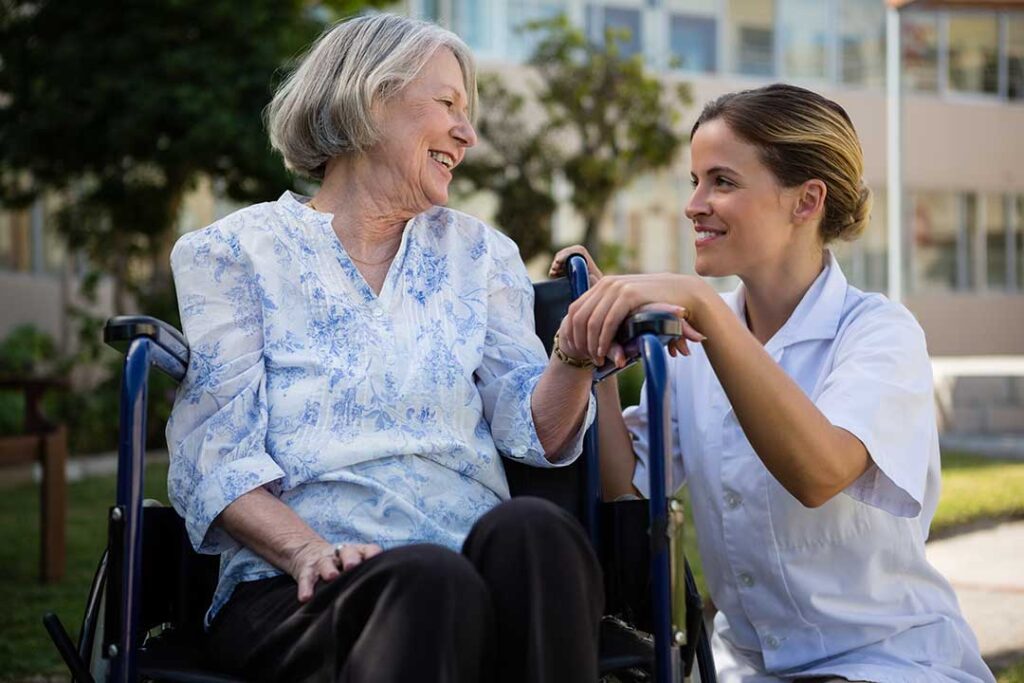
Assisted living can help reduce senior isolation by creating regular opportunities for conversation, shared activities, meals, and supportive routines. For older adults who live alone, have stopped driving, or find it difficult to maintain former social connections, the setting can provide daily contact without requiring constant family availability.
Social isolation is more than feeling lonely. It can mean having few meaningful interactions, limited access to transportation, or long periods without conversation or shared activity. Assisted living addresses these barriers through a combination of community life, practical support, and predictable opportunities to participate.
Why does senior isolation develop?
Senior isolation often results from several changes occurring at the same time. Retirement, the loss of a spouse or close friends, health concerns, hearing or vision changes, and reduced mobility can all make social contact more difficult.
In Moosic, winter weather can add another obstacle. Snow, ice, shorter daylight hours, and cold temperatures may discourage older adults from driving or walking outside. Even residents who are socially active during warmer months may spend more time indoors when travel becomes uncomfortable or unsafe.
Other common causes include:
- Moving away from a longtime home or neighborhood
- No longer feeling comfortable driving
- Living far from family members
- Managing chronic health conditions
- Feeling embarrassed about needing help
- Losing access to familiar clubs, faith communities, or volunteer activities
- Difficulty using smartphones, computers, or online meeting platforms
Isolation can be easy to overlook because a person may still speak with family occasionally. A weekly phone call may be comforting, but it may not replace regular face-to-face contact, spontaneous conversation, or a sense of belonging to a community.
How does assisted living create daily social contact?
Assisted living places residents near other people throughout the day. This does not mean every resident must attend group activities or be highly outgoing. Connection can happen through small, ordinary moments such as greeting a neighbor in the hallway, eating with others, or talking with staff during a routine check-in.
Common sources of interaction include:
- Shared dining rooms
- Group exercise or movement sessions
- Arts, crafts, music, and games
- Reading groups or discussion programs
- Outdoor walks and indoor social areas
- Celebrations of birthdays, holidays, and personal milestones
- Informal conversations in lounges, activity rooms, or common areas
These repeated encounters matter because relationships often develop gradually. A resident may first attend an activity for a short time, then begin recognizing familiar faces, and eventually form friendships. The routine makes social contact more accessible than arranging separate visits outside the home.
Can assisted living help someone who is shy or reluctant to participate?
Yes, but participation should be encouraged rather than forced. A quiet resident may prefer one-on-one conversation, a small group, or an activity connected to a personal interest instead of a large gathering.
Staff and family members can look for low-pressure opportunities, such as:
- Having coffee or a snack with another resident
- Joining a card game as an observer before playing
- Helping with a simple activity setup
- Attending a music program without staying for the entire event
- Taking a short walk with a companion
- Sitting in a common area rather than remaining alone in an apartment
The goal is not to make every resident constantly social. Healthy community life also includes privacy and personal choice. The most helpful environment offers several ways to connect, including quiet and informal options.
What role do meals play in reducing isolation?
Shared meals provide one of the most consistent opportunities for social interaction. Eating alone can become a daily reminder of separation, while a communal meal creates a natural setting for conversation without requiring a special event.

Meals can help residents maintain structure as well. A regular dining schedule gives the day a recognizable rhythm and creates predictable points of contact. Over time, residents may choose familiar seats, develop mealtime companions, or notice when someone is absent.
For an older adult who has difficulty cooking, shopping, or cleaning, communal dining may also remove practical burdens that can contribute to withdrawal. Having food available in a social setting can make it easier to leave a private living space and participate in the broader community.
How do transportation and mobility support affect isolation?
Limited mobility is a major cause of social disconnection. A person may want to attend an appointment, visit a friend, or participate in a community event but lack a safe and reliable way to get there.
Assisted living may reduce some of these barriers through organized transportation, accessible buildings, and help with daily routines. The benefit is not only convenience. Greater mobility can help residents remain involved in activities and maintain relationships that might otherwise fade.
Building design also matters. Elevators, handrails, well-lit walkways, seating areas, and accessible common rooms can make it easier for residents with balance or endurance concerns to move through the community. During icy or snowy conditions, safe indoor spaces become especially valuable.
Does assisted living replace family contact?
No. Assisted living can supplement family relationships, but it does not replace them. Relatives still play an important role in providing emotional support, personal history, advocacy, and familiar connection.
A community setting may make family visits easier because relatives do not have to provide every form of social contact themselves. Instead of being the sole source of companionship, family members can focus on meaningful visits, shared activities, and ongoing communication.
Families can support social connection by asking specific questions rather than simply asking whether a relative is “doing okay.” Useful questions include:
- Who did you talk with today?
- Was there an activity you enjoyed?
- Have you found someone with similar interests?
- Are there times of day when you feel especially alone?
- Is there an activity you would like to try but feel unsure about?
What signs suggest that isolation is still a concern?
Moving into an assisted living setting does not automatically resolve loneliness. Some residents need time to adjust, especially after a major move or loss. Warning signs may include consistently eating alone, staying in the apartment most of the day, declining all activities, appearing unusually sad or irritable, or losing interest in hobbies.
Changes in sleep, appetite, personal care, or communication may also deserve attention. These signs can have many causes, including depression, medication effects, hearing problems, pain, or cognitive changes. They should be discussed with an appropriate health care professional when they persist or interfere with daily life.
Social preferences also vary. A resident who enjoys quiet time is not necessarily isolated. The more useful question is whether the person has meaningful opportunities for connection and whether the current level of interaction matches personal preferences.
How can families encourage connection without creating pressure?
Families can help by recognizing small progress. Attending one activity, speaking with a neighbor, or eating in a shared dining area may be a significant step for someone who has been isolated.
It can also help to identify interests from earlier life. Gardening, sports, sewing, local history, books, music, cooking, faith traditions, and practical projects may provide natural conversation topics. Personal belongings, photographs, or familiar music can help start discussions with new acquaintances.
The most effective support respects choice while keeping the door open. An older adult may need repeated invitations, a personal introduction, or assistance getting to a common room before feeling comfortable. Connection usually grows through consistent, ordinary contact rather than a single large event.
For residents and families in Moosic, assisted living may offer a practical response to isolation by combining accessible surroundings with regular human contact. Its value lies not simply in having activities on a calendar, but in creating a setting where conversation, companionship, and participation can become part of everyday life.
